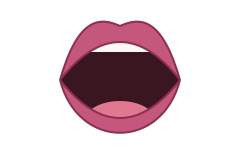
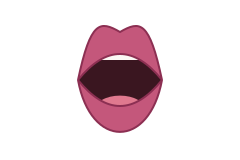
Lip reading chart: the mouth shape for each sound

Each sound you can see makes one of a few mouth shapes, and sounds that share a shape look the same on the lips. This chart shows the shapes to look for: consonants first, then vowels.

Consonants
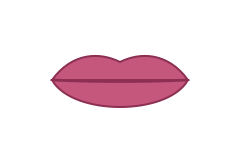
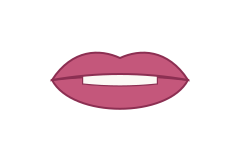
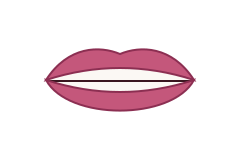
Lip reading chart: the mouth shape for P, B, M. The lips press together, then open.
P, B, MThe lips press together, then open.pat, bat and mat look the same
Lip reading chart: the mouth shape for F, V. The lower lip touches the top teeth.
F, VThe lower lip touches the top teeth.fan and van
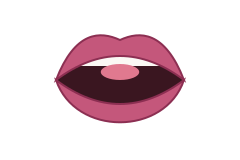
Lip reading chart: the mouth shape for TH. The tongue tip shows between the teeth.
THThe tongue tip shows between the teeth.think, this
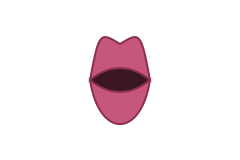
Lip reading chart: the mouth shape for W. The lips push forward into a small round shape.
WThe lips push forward into a small round shape.we, one
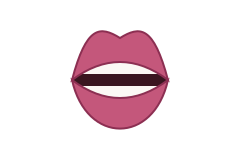
Lip reading chart: the mouth shape for SH, CH, J. The lips push forward, square, with the teeth close.
SH, CH, JThe lips push forward, square, with the teeth close.shoe, chew and Jew
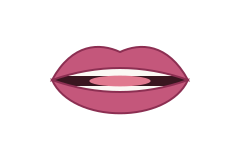
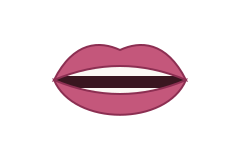
Lip reading chart: the mouth shape for S, Z. The teeth come close together.
S, ZThe teeth come close together.sip and zip
Lip reading chart: the mouth shape for L. The tongue tip lifts behind the top teeth.
LThe tongue tip lifts behind the top teeth.let, low
Lip reading chart: the mouth shape for T, D, N, K, G. Mostly hidden behind the teeth or at the back of the mouth.
T, D, N, K, GMostly hidden behind the teeth or at the back of the mouth.context does the work

Vowels

Vowels show in how wide the lips spread, how round they are, and how far the jaw drops.
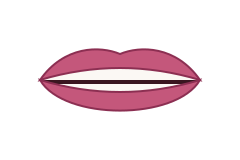
Lip reading chart: the mouth shape for EE. Lips spread, like a small smile.
EELips spread, like a small smile.see, key, tea
Lip reading chart: the mouth shape for OO. Lips round and push forward.
OOLips round and push forward.you, who, shoe
Lip reading chart: the mouth shape for AH. The jaw drops, mouth open wide.
AHThe jaw drops, mouth open wide.car, far, heart
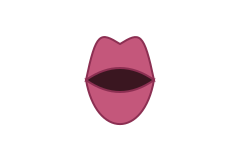
Lip reading chart: the mouth shape for OR. Mouth open, lips rounded.
ORMouth open, lips rounded.saw, door, more

How to use the chart

  1. Say each sound in a mirror and match your mouth to the drawing.
  2. Learn the groups, not single sounds: p, b and m can't be told apart by sight.
  3. Watch real speakers. A drawing holds still; real mouths move fast and vary from person to person.
  4. Let context fill the gaps. The guide to lip reading explains how.

See the shapes on real mouths

Practise with short silent clips of real people, a few minutes a day. Free, no sign-up.